Regent parrot
Polytelis anthopeplus
Regent parrot

Macaws are a popular species to keep in an outdoor aviary. They are relatively quiet and undemanding parrots that, without the need for a wintering place, can easily survive the winters in the south of Slovakia.
These animals cannot be adopted.
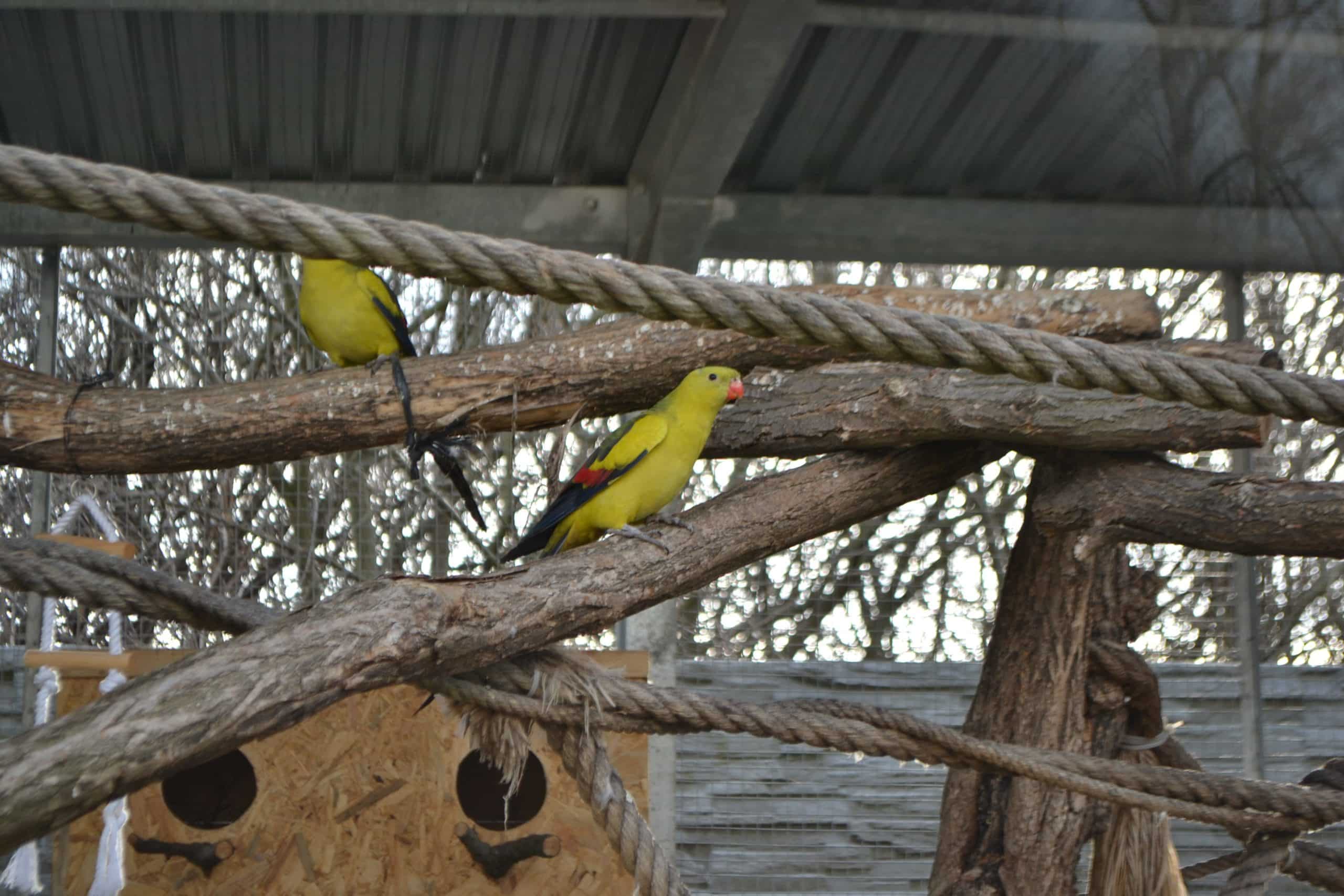
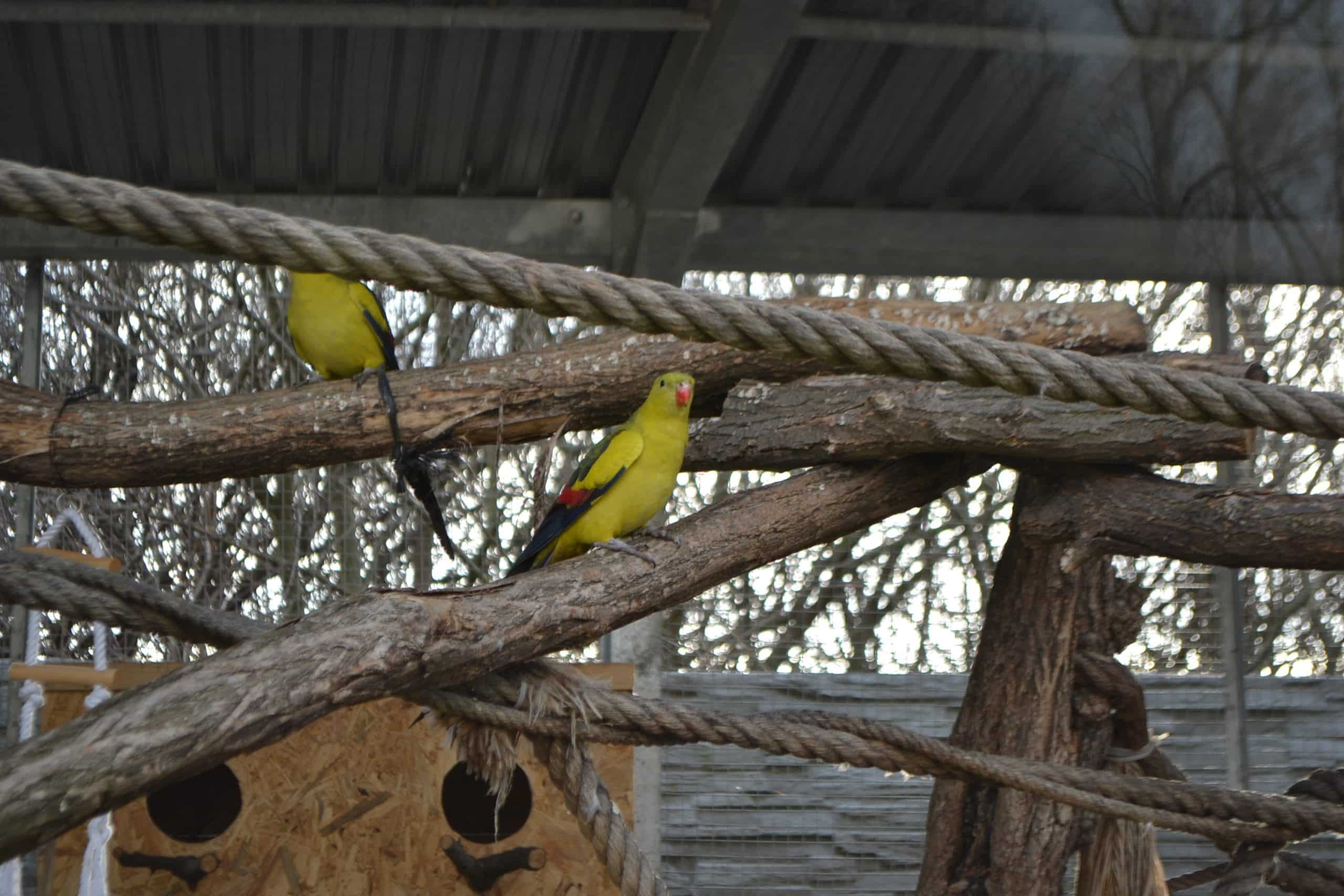
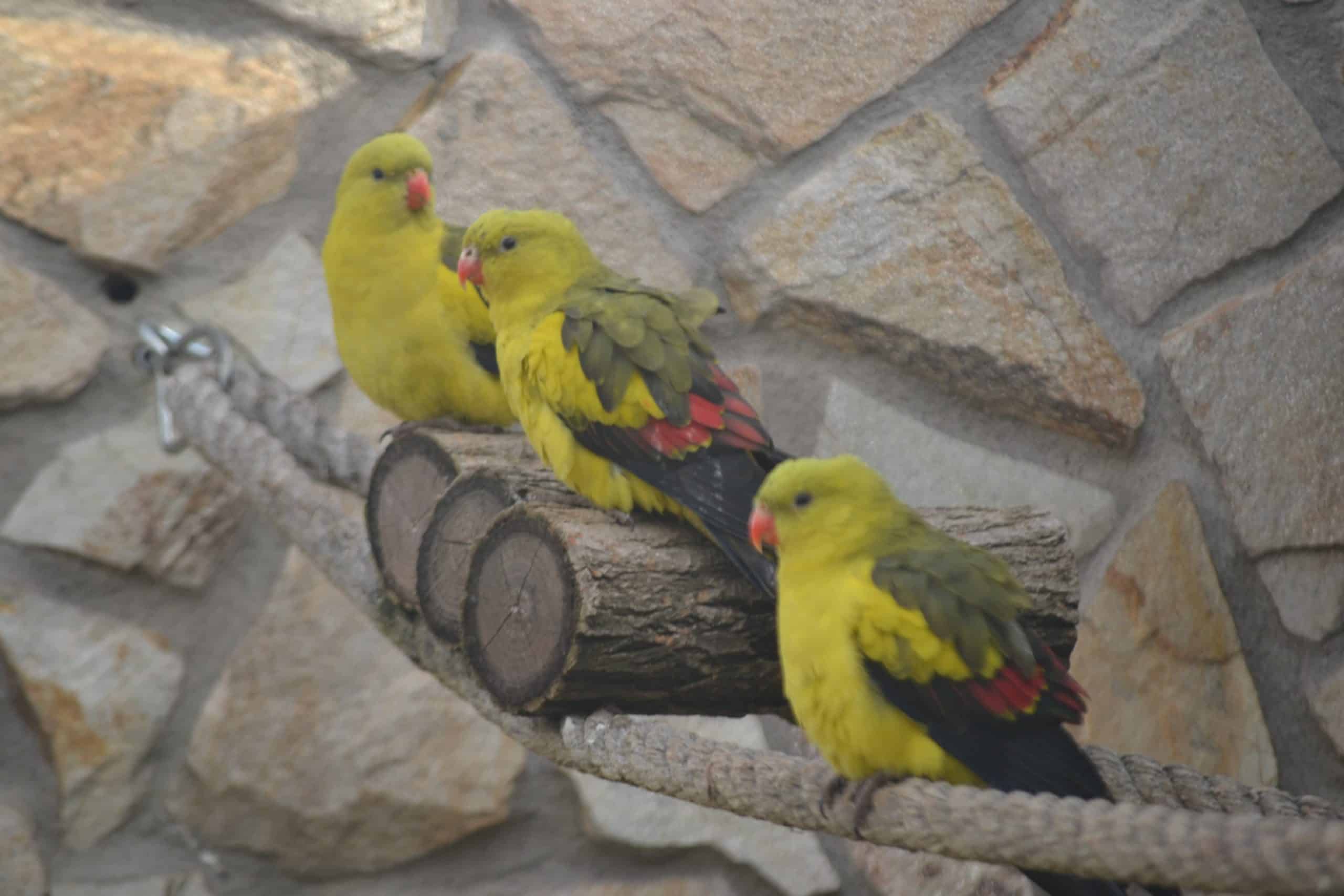
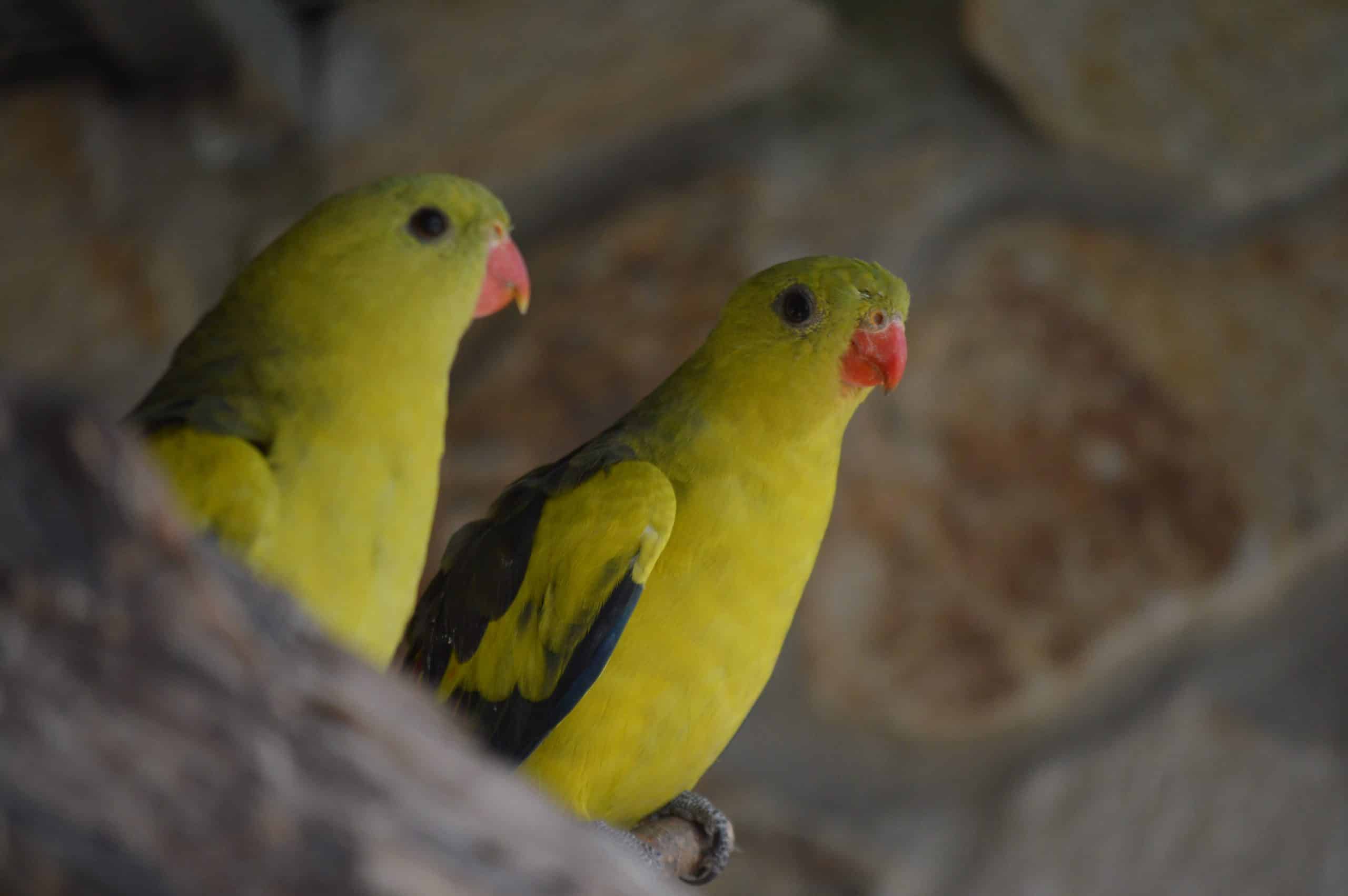
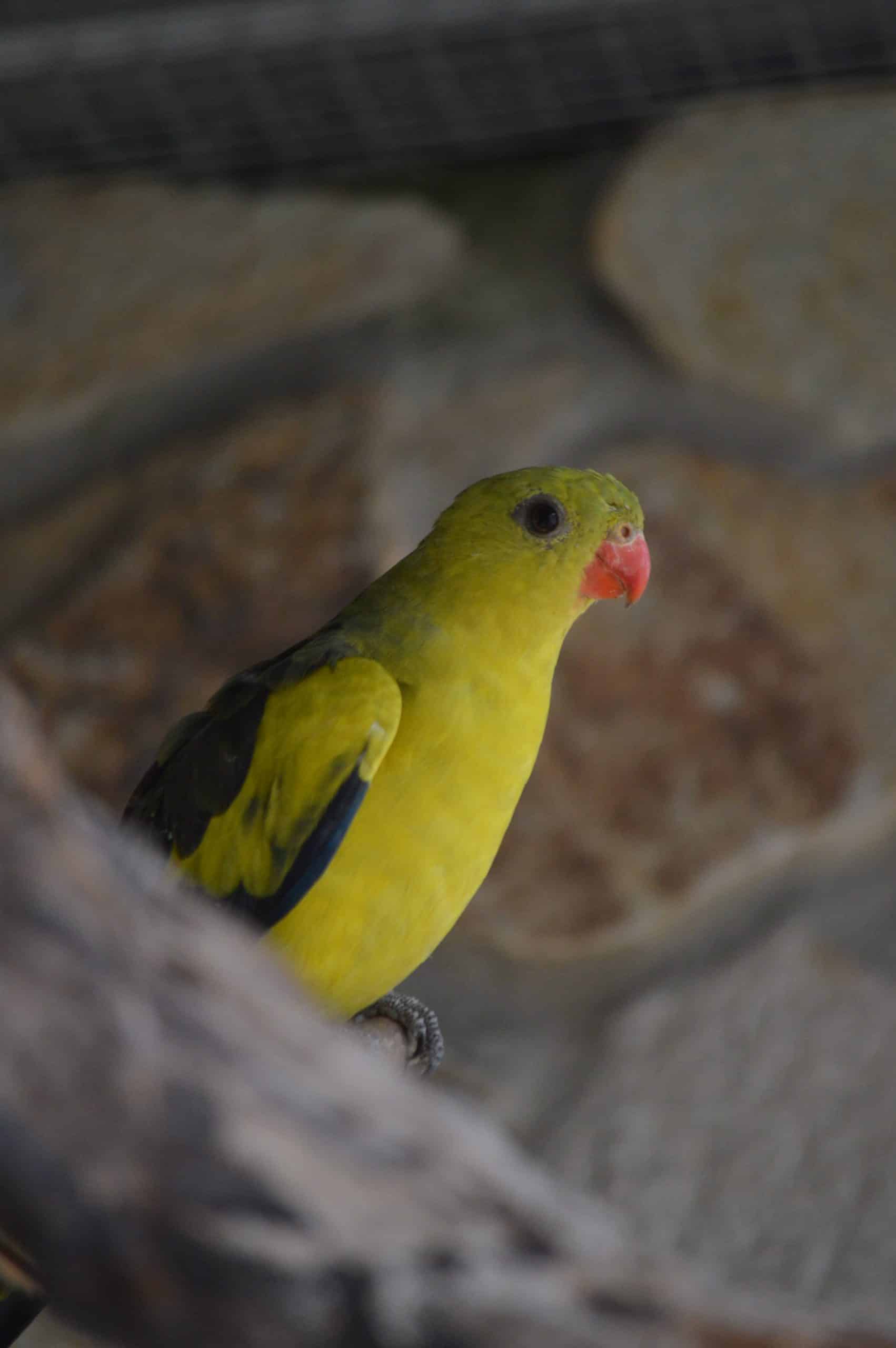
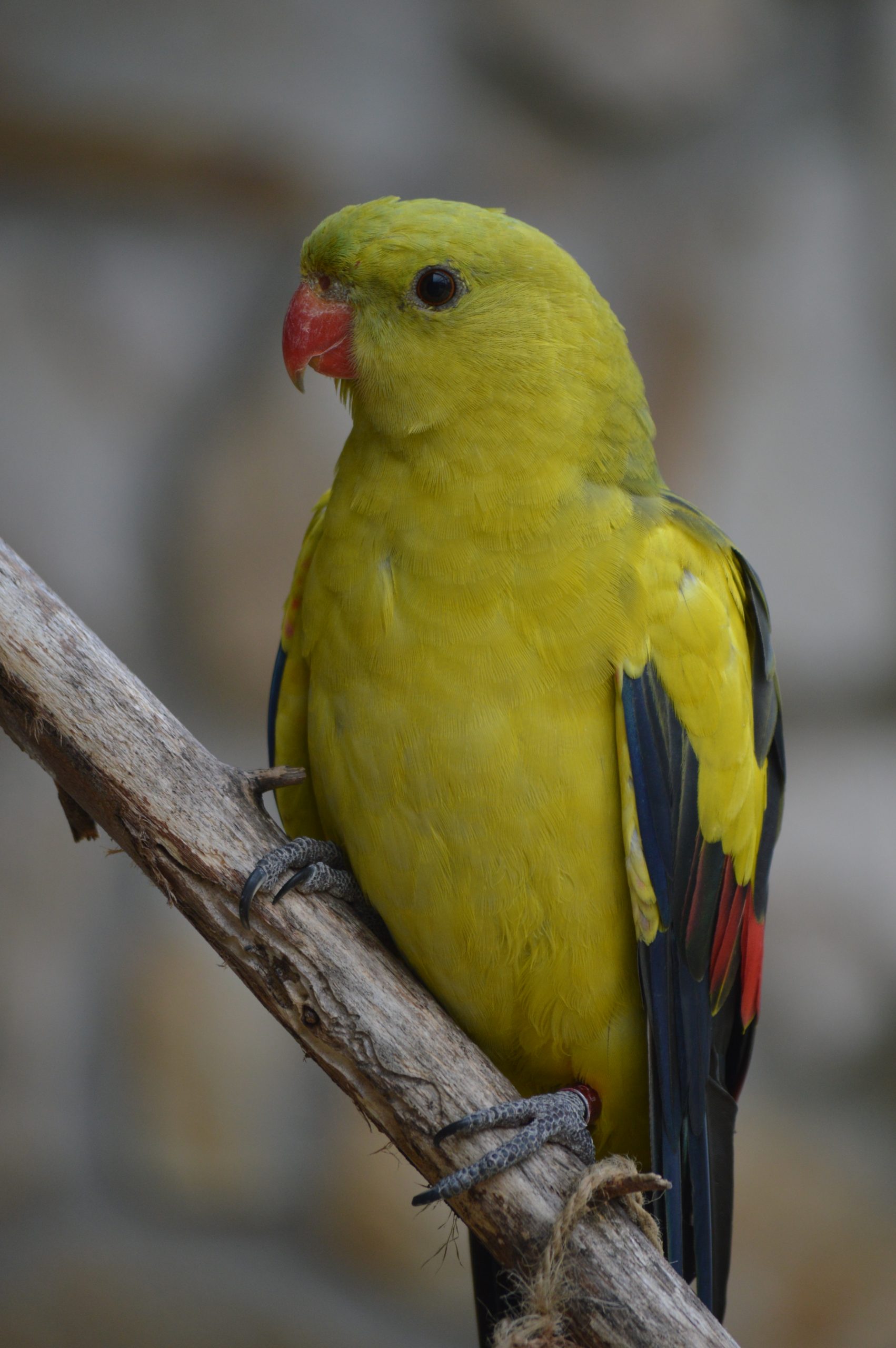
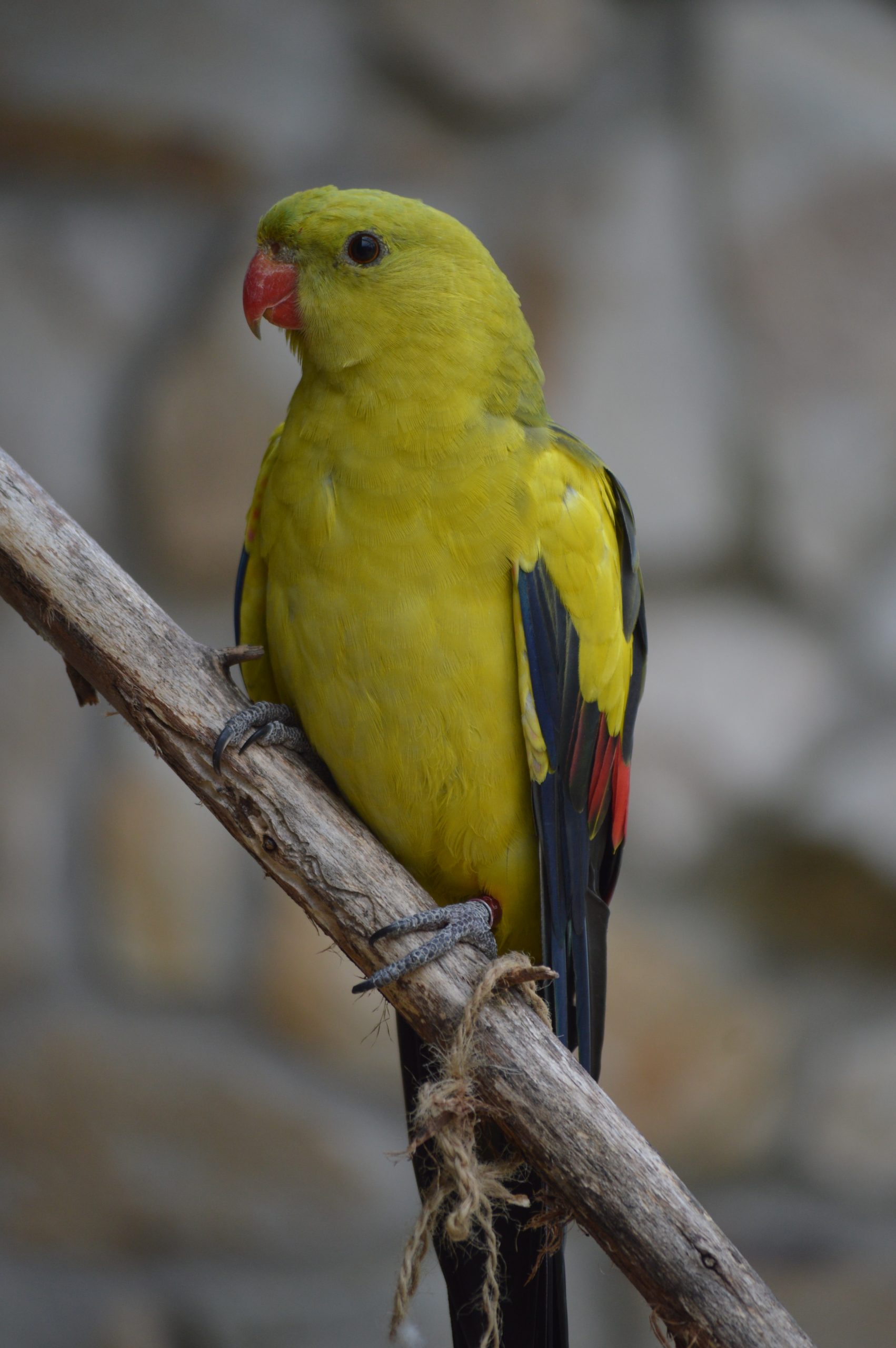
The base colour of the male is olive yellow. Olive predominates in the crown, on the back of the neck, and on the back. The belly and the bend of the wing are bright yellow. The tail is black. The wings are made up of orange-red, yellow, and blue-black to black feathers. The beak is coral red.
Sexual dimorphism is evident in colouration. The female is greener than the male, not so strongly coloured, and the tail is dark blue green.
The young resemble the female and become coloured at about one year of age.
It lives in pairs, but also in large flocks. It is one of the best flyers on the Australian continent. It prefers woodland or bushy terrain, and is also found in fields, where it becomes a pest.
It nests in tree cavities, which can be up to 5 metres deep. The female sits alone on the eggs, she rarely goes out. The male takes care of the food. After hatching, both male and female feed the young. The chicks learn to fly at about five weeks of age, while their parents still feed them for about 2-3 weeks.
This parrot is very quiet. It can “tame” and stick to humans, but a large space is needed for breeding. That is why it has become a popular bird for outdoor aviaries in our country.
When kept in an aviary, it does not need a wintering place, as winters in the south of Slovakia do not cause it any problems at all.
Regent parrot
Polytelis anthopeplus
Regent parrot
Date of hatching
Unknown
Order
Family
BODY LENGTH
35-40 cm including tail
Weight
160-190 g
LIFE EXPECTANCY
15-20 years
INCUBATION PERIOD
ca 22 days
NUMBER OF YOUTHS
3-7
CARE OF THE YOUNG
7-8 weeks
Occurrence
outback and southwestern Australia
Food
grass seeds, flowers, tree buds, fruit, nuts
Macaws are a popular species to keep in an outdoor aviary. They are relatively quiet and undemanding parrots that, without the need for a wintering place, can easily survive the winters in the south of Slovakia.
These animals cannot be adopted.
The base colour of the male is olive yellow. Olive predominates in the crown, on the back of the neck, and on the back. The belly and the bend of the wing are bright yellow. The tail is black. The wings are made up of orange-red, yellow, and blue-black to black feathers. The beak is coral red.
Sexual dimorphism is evident in colouration. The female is greener than the male, not so strongly coloured, and the tail is dark blue green.
The young resemble the female and become coloured at about one year of age.
It lives in pairs, but also in large flocks. It is one of the best flyers on the Australian continent. It prefers woodland or bushy terrain, and is also found in fields, where it becomes a pest.
It nests in tree cavities, which can be up to 5 metres deep. The female sits alone on the eggs, she rarely goes out. The male takes care of the food. After hatching, both male and female feed the young. The chicks learn to fly at about five weeks of age, while their parents still feed them for about 2-3 weeks.
This parrot is very quiet. It can “tame” and stick to humans, but a large space is needed for breeding. That is why it has become a popular bird for outdoor aviaries in our country.
When kept in an aviary, it does not need a wintering place, as winters in the south of Slovakia do not cause it any problems at all.