Wolf predator - Eurasian
Canis lupus
Frea, Odin, Thor

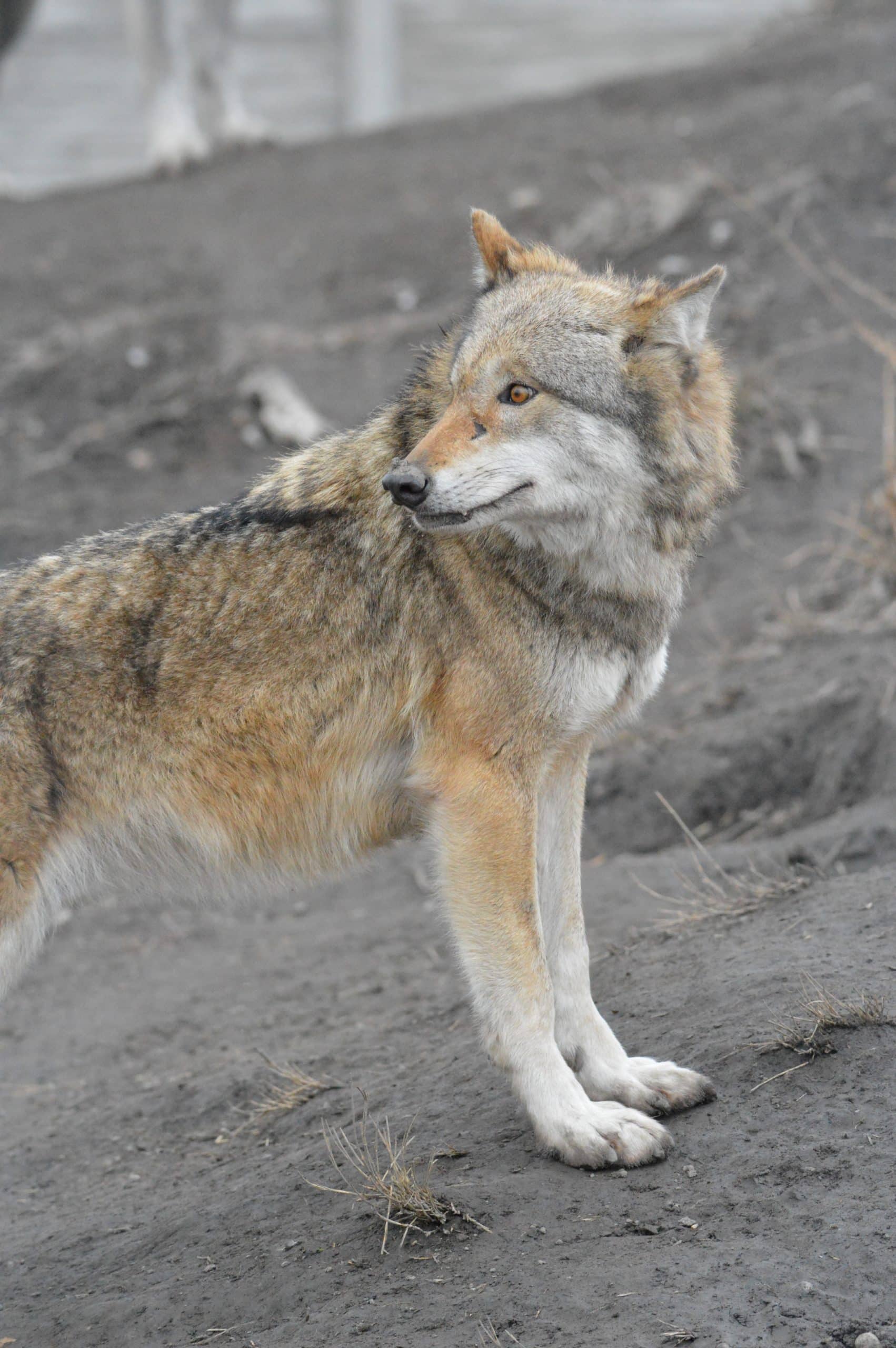
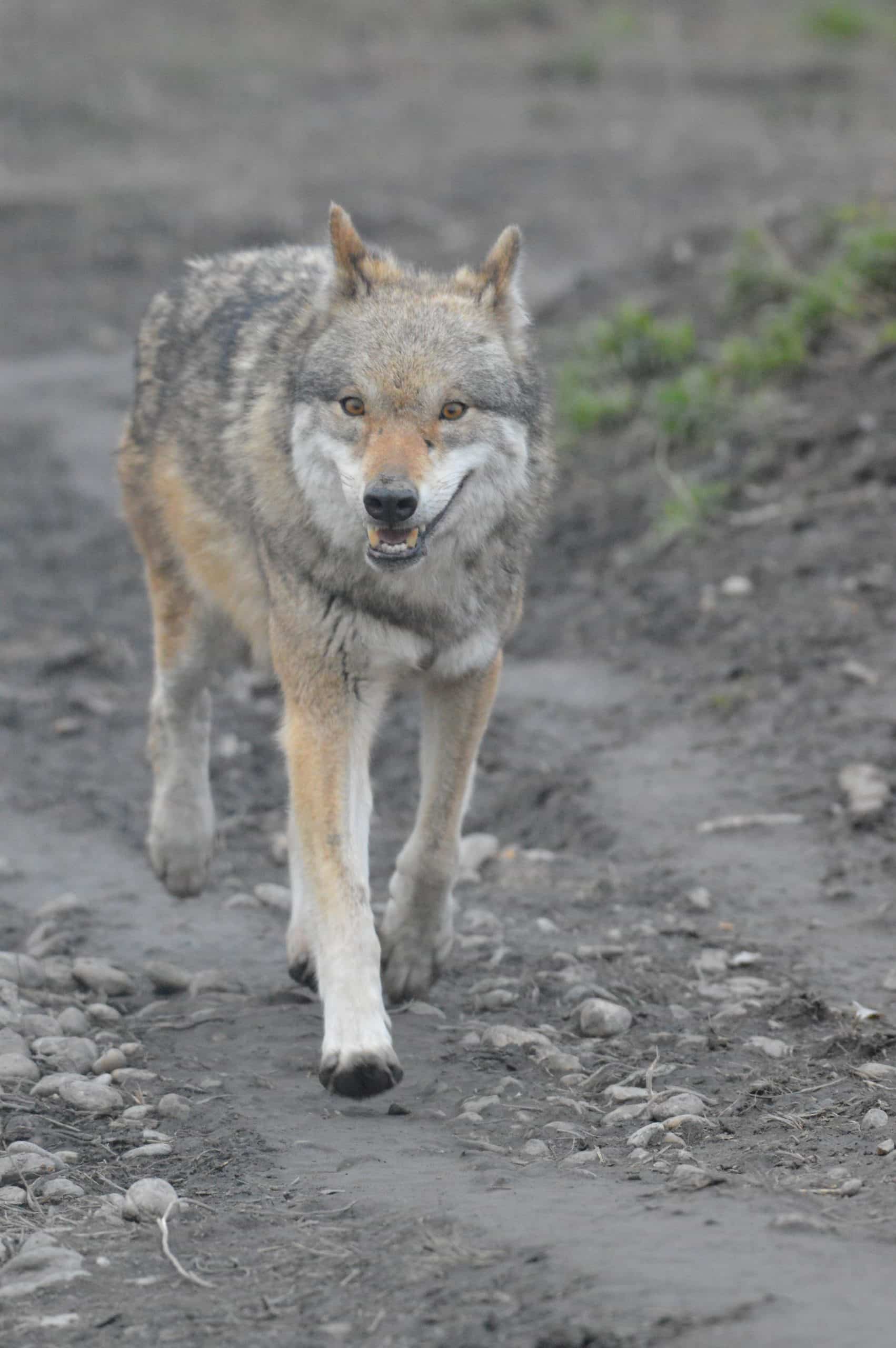
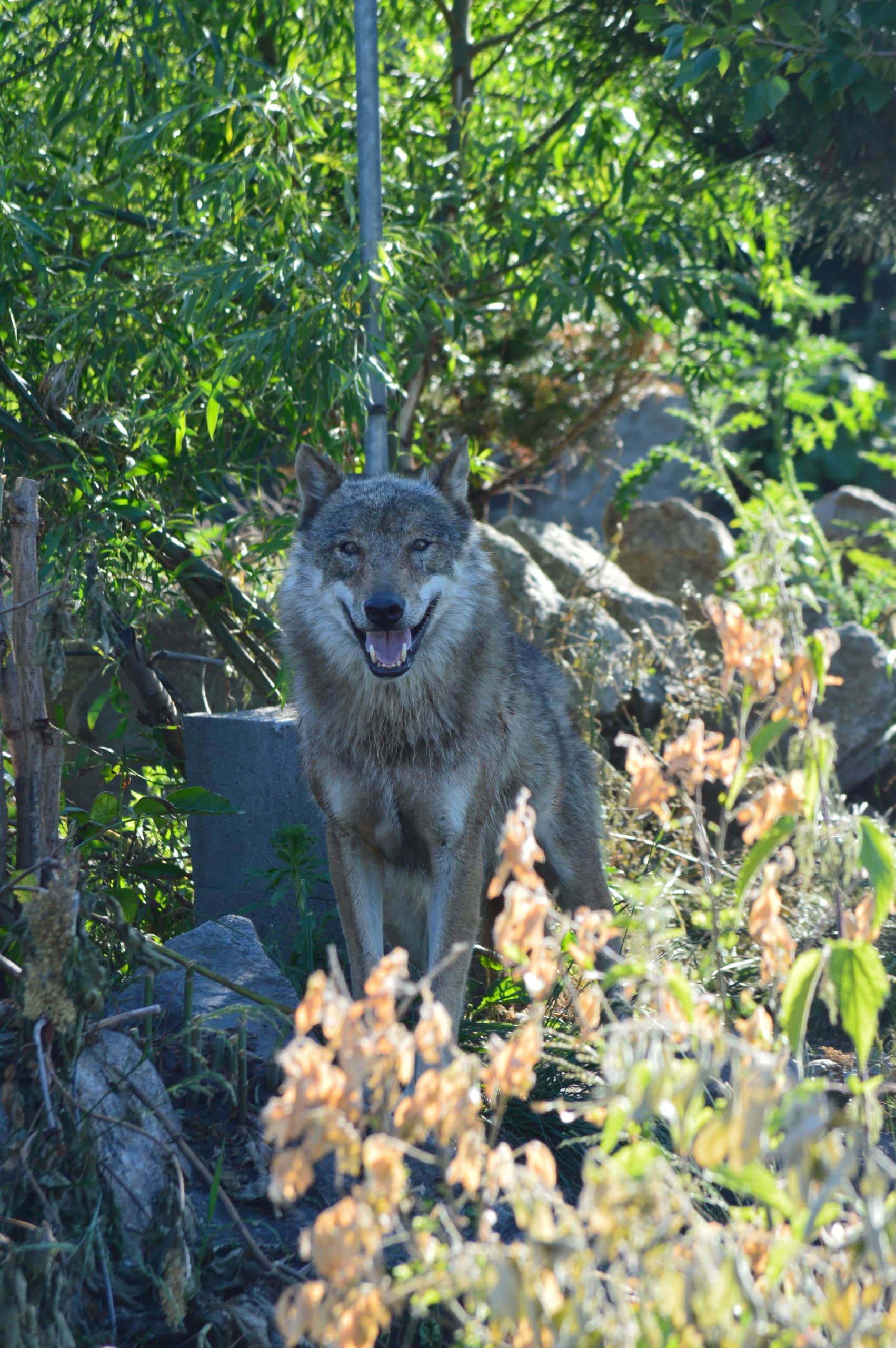
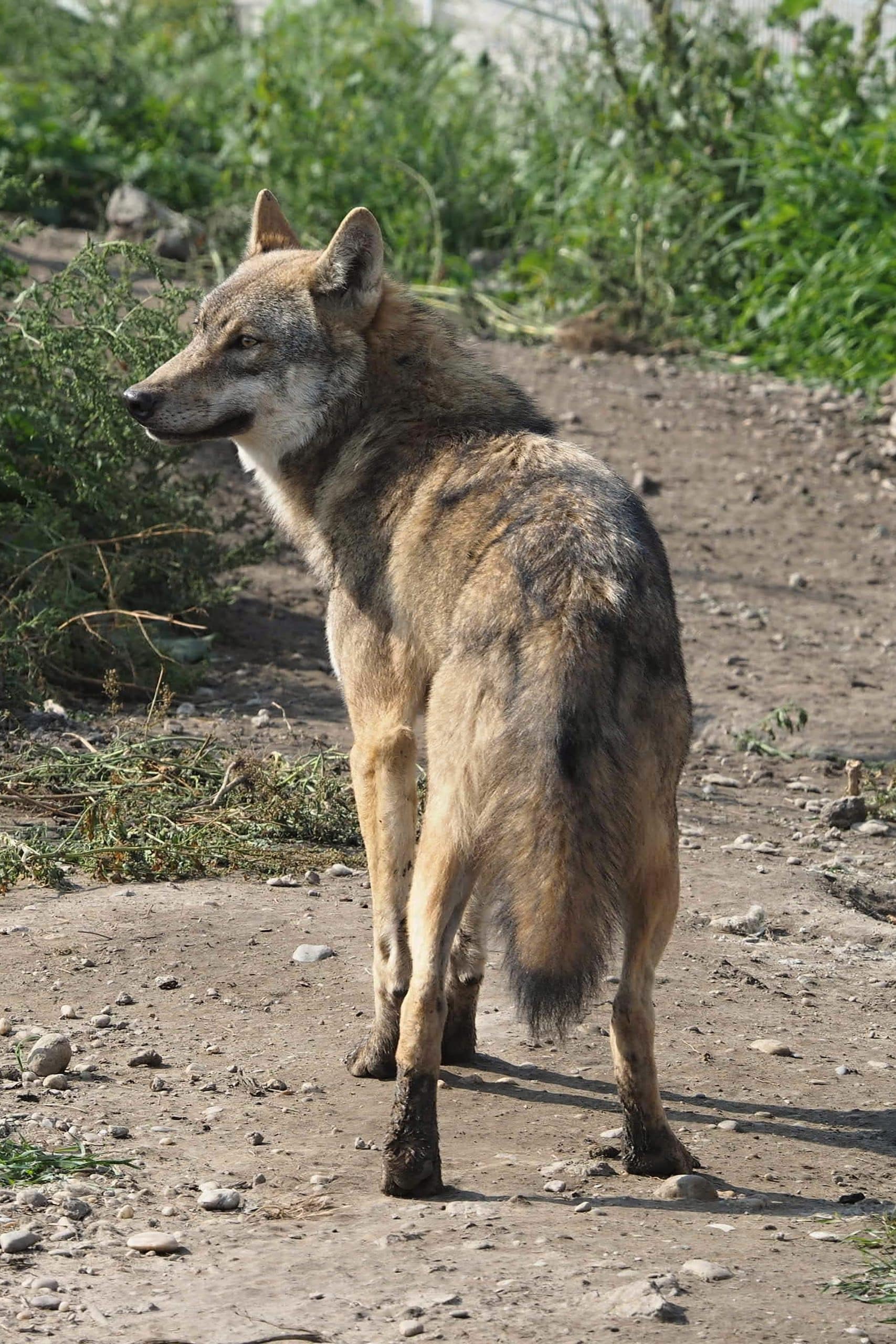
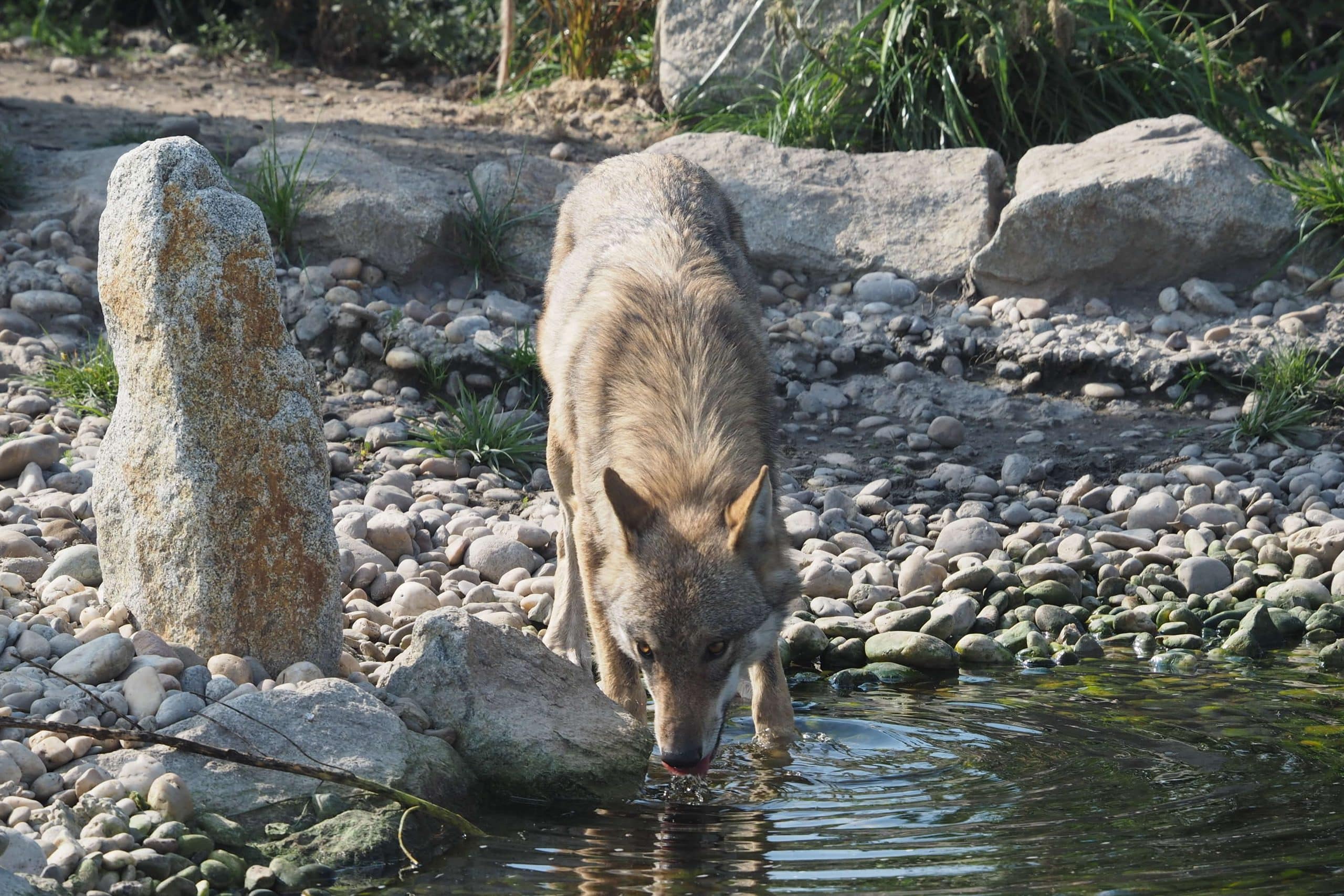
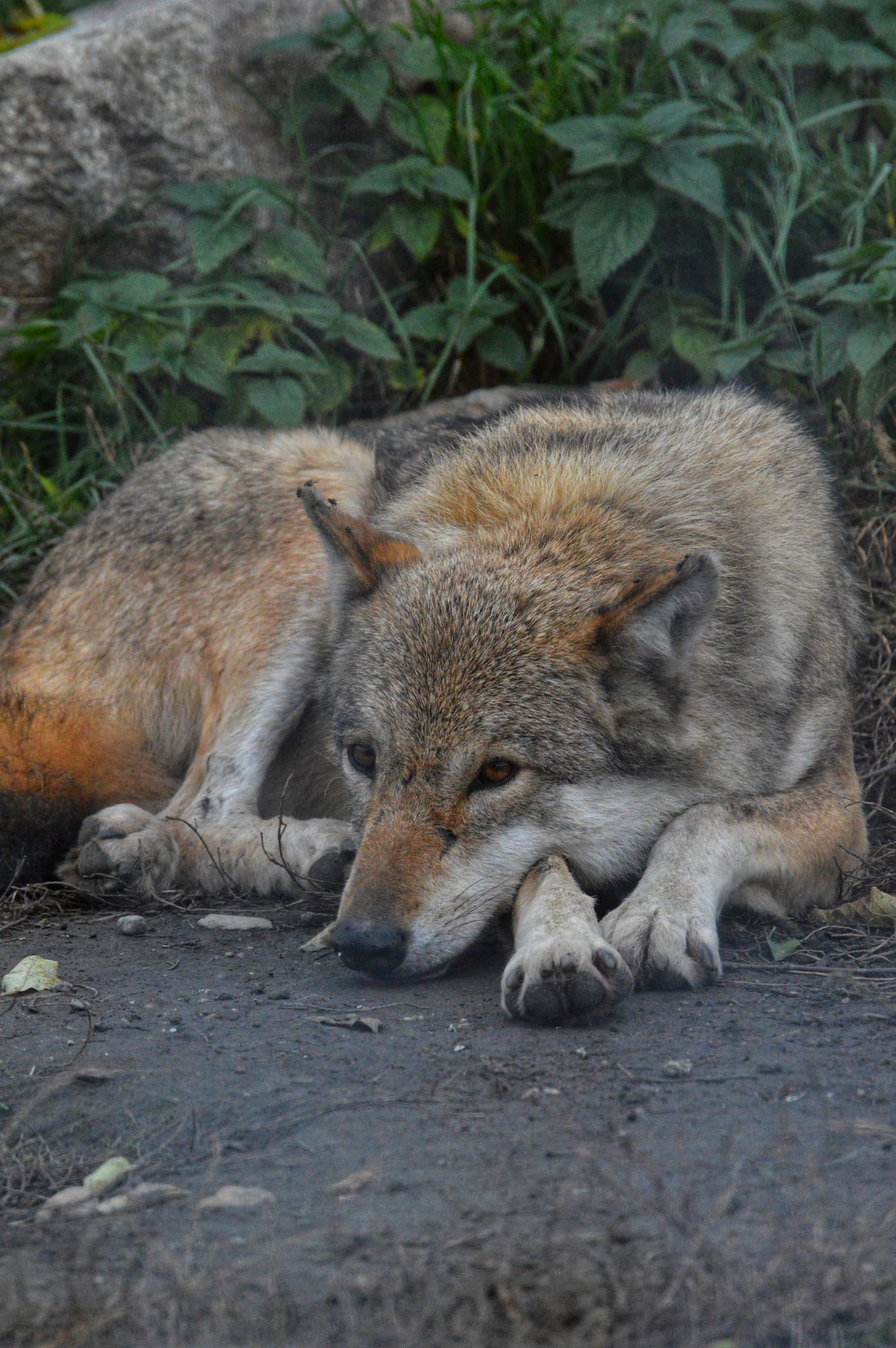
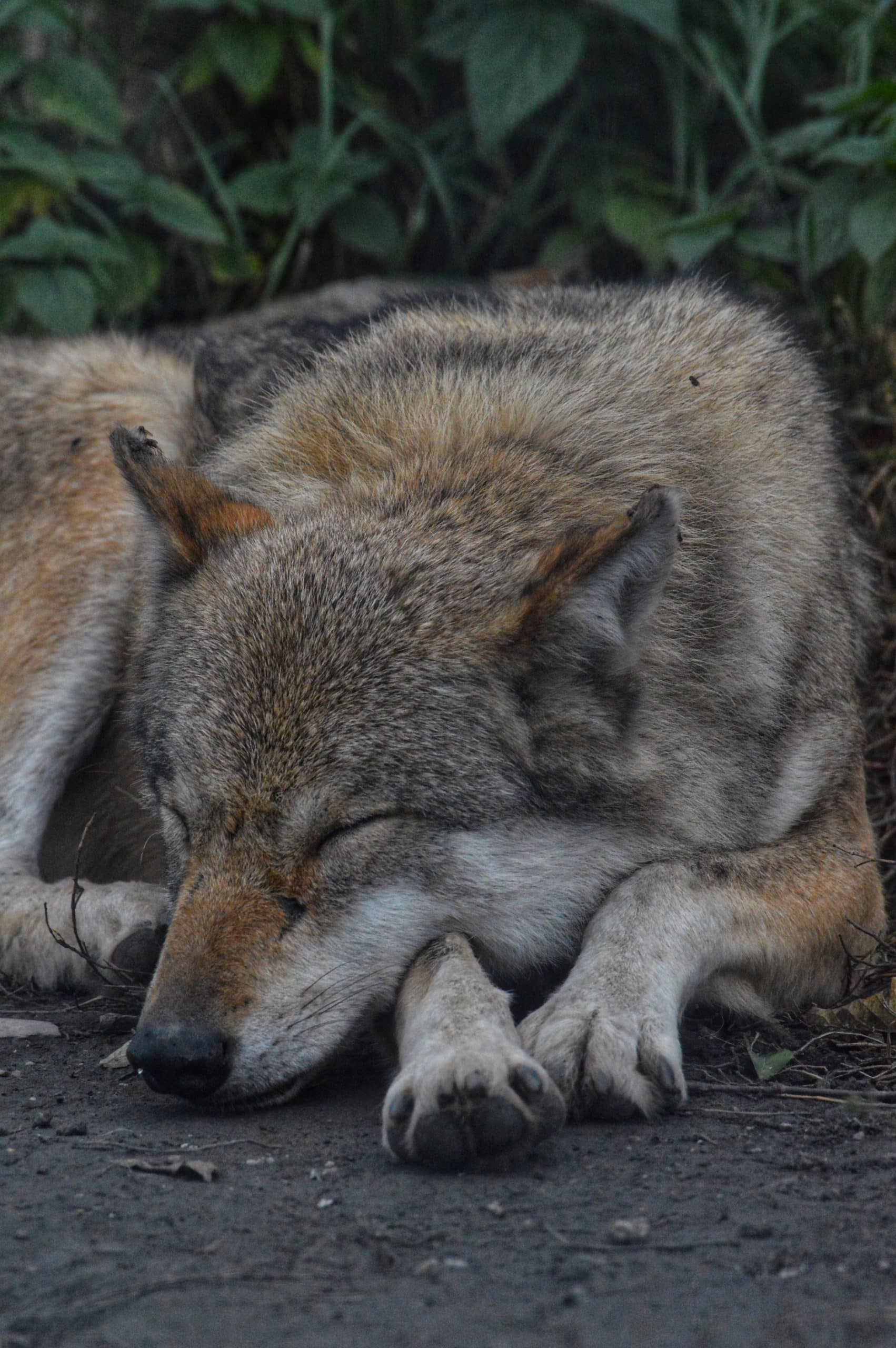
These wolves came into our care from a private zoo. Unfortunately, they would no longer survive in the wild.
THANK YOU for the adoption contribution for the predatory wolf – Eurasian:
Jarmile Glončákovej,
Tomášovi Bertókovi.
He sponsors the predatory Eurasian wolves in Malkia Park

The Eurasian wolf has a pale gray-brown coat that is lighter on the underside and darker on the back and shoulders. Other than size, the physical differences between wolf subspecies are often small. The Eurasian wolf has a slightly narrower head and longer ears than its North American relatives.
Wolves live socially in packs, where social behavior is developed and a strict hierarchy rules. Each individual knows his position in the pack and behaves accordingly. The alpha pair has young and leads the pack, eats first and the other individuals are subordinate to him.
During most of the year, it forms various large family societies, i.e. packs (they break up only during the rut), with a solid social organization and many communication signals. As a rule, the pack consists of the parent pair, their youngest offspring and the offspring from the previous year. In winter, even larger packs can be formed by joining related families.
It can walk up to 70 km per day in search of food. It moves with a step, sometimes a trot, and a gallop when chasing prey. The wolf always climbs with its hind paw exactly in the track of the front paw, so all the tracks are actually on the same line, while the dog’s tracks are along the imaginary line.
The territory of the wolf pack is 20 to 50 km2 in winter. In the summer, the territory is reduced to 5 to 10 km2.
The wolf’s jaws are characterized by a great force of around 100 kg/cm², which can crush bones – for comparison, a German shepherd develops only half of this force.
The most important senses of a wolf are smell and sight. The area of the nose that picks up smells is up to 14 times larger in a wolf than in a human and contains 200 million olfactory receptors, while a human has 5 million.
In good conditions, wolves can smell even 3 km.
Ancient rumors described the wolf as a bloodthirsty beast, but the wolf is a shy animal and a healthy individual avoids humans.
In nature, it fulfills a health-regulatory function, it hunts weak, injured, old individuals, unprotected cubs. Wolves, when chasing game, will find out the condition of the game after only a few hundred meters. If he’s in good shape, they’ll stop bothering him.
By crossing a Eurasian wolf and a German shepherd (Czechoslovak cynologists), the Slovak national dog breed – the Czechoslovak wolfdog – was created.
Wolf predator - Eurasian
Canis lupus
Frea, Odin, Thor
Date of birth
06. 05. 2016
Order
Family
BODY LENGTH
100-150 cm
HEIGHT
60-90 cm at the withers
Weight
39-79 kg
LIFE EXPECTANCY
6-8 years, in captivity also 15
LENGTH OF PREGNANCY
62 days
NUMBER OF YOUTHS
usualy 4-7
Occurrence
Europe, Russia
Food
deer, roe deer, elk, domestic animals up to cow size, small mammals, carrion, berries
Frea, Odin, Thor
These wolves came into our care from a private zoo. Unfortunately, they would no longer survive in the wild.
THANK YOU for the adoption contribution for the predatory wolf – Eurasian:
Jarmile Glončákovej,
Tomášovi Bertókovi.
He sponsors the predatory Eurasian wolves in Malkia Park
The Eurasian wolf has a pale gray-brown coat that is lighter on the underside and darker on the back and shoulders. Other than size, the physical differences between wolf subspecies are often small. The Eurasian wolf has a slightly narrower head and longer ears than its North American relatives.
Wolves live socially in packs, where social behavior is developed and a strict hierarchy rules. Each individual knows his position in the pack and behaves accordingly. The alpha pair has young and leads the pack, eats first and the other individuals are subordinate to him.
During most of the year, it forms various large family societies, i.e. packs (they break up only during the rut), with a solid social organization and many communication signals. As a rule, the pack consists of the parent pair, their youngest offspring and the offspring from the previous year. In winter, even larger packs can be formed by joining related families.
It can walk up to 70 km per day in search of food. It moves with a step, sometimes a trot, and a gallop when chasing prey. The wolf always climbs with its hind paw exactly in the track of the front paw, so all the tracks are actually on the same line, while the dog’s tracks are along the imaginary line.
The territory of the wolf pack is 20 to 50 km2 in winter. In the summer, the territory is reduced to 5 to 10 km2.
The wolf’s jaws are characterized by a great force of around 100 kg/cm², which can crush bones – for comparison, a German shepherd develops only half of this force.
The most important senses of a wolf are smell and sight. The area of the nose that picks up smells is up to 14 times larger in a wolf than in a human and contains 200 million olfactory receptors, while a human has 5 million.
In good conditions, wolves can smell even 3 km.
Ancient rumors described the wolf as a bloodthirsty beast, but the wolf is a shy animal and a healthy individual avoids humans.
In nature, it fulfills a health-regulatory function, it hunts weak, injured, old individuals, unprotected cubs. Wolves, when chasing game, will find out the condition of the game after only a few hundred meters. If he’s in good shape, they’ll stop bothering him.
By crossing a Eurasian wolf and a German shepherd (Czechoslovak cynologists), the Slovak national dog breed – the Czechoslovak wolfdog – was created.