Domestic wallaby sheep
Ovis aries
Wallachians
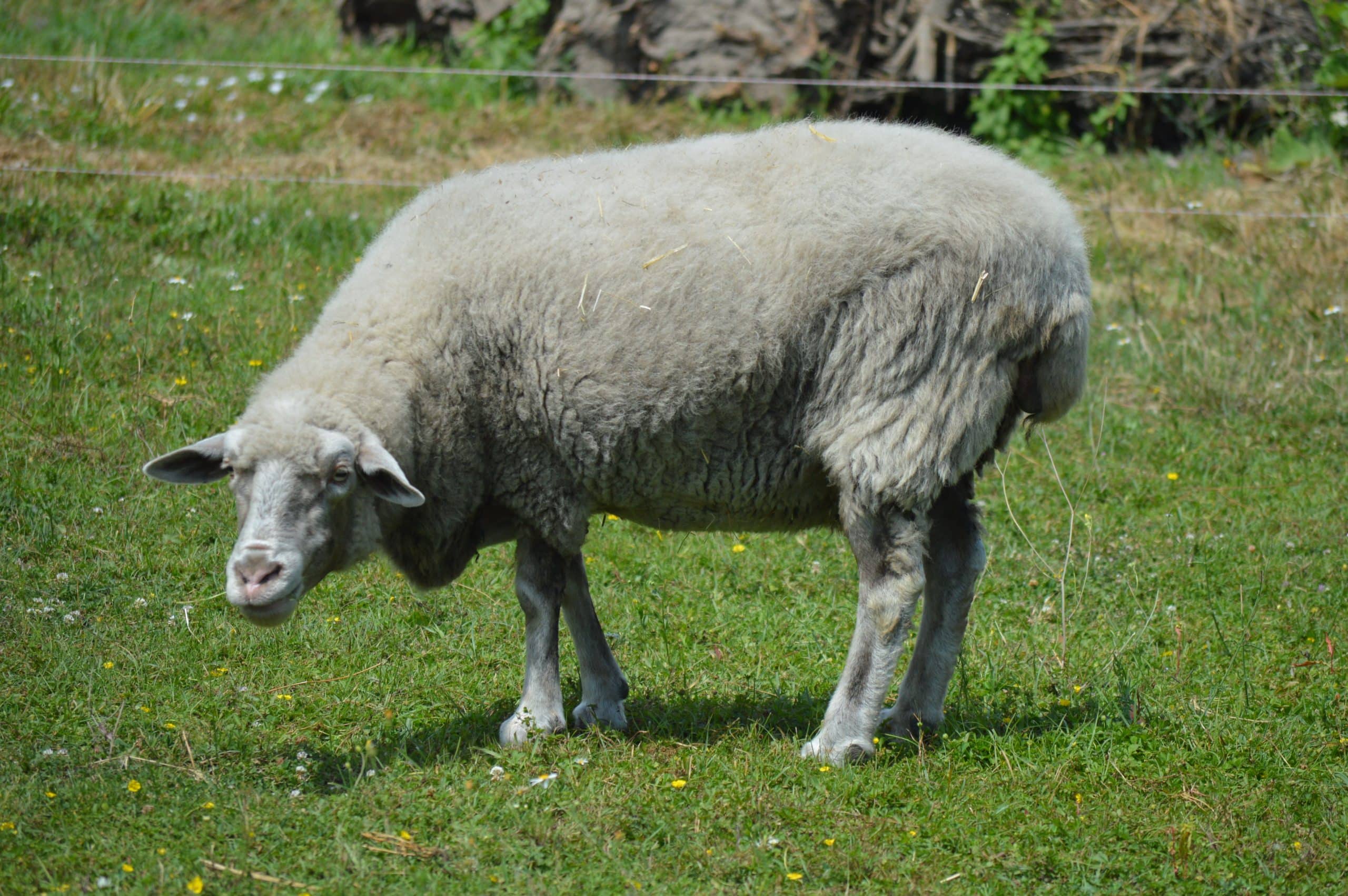


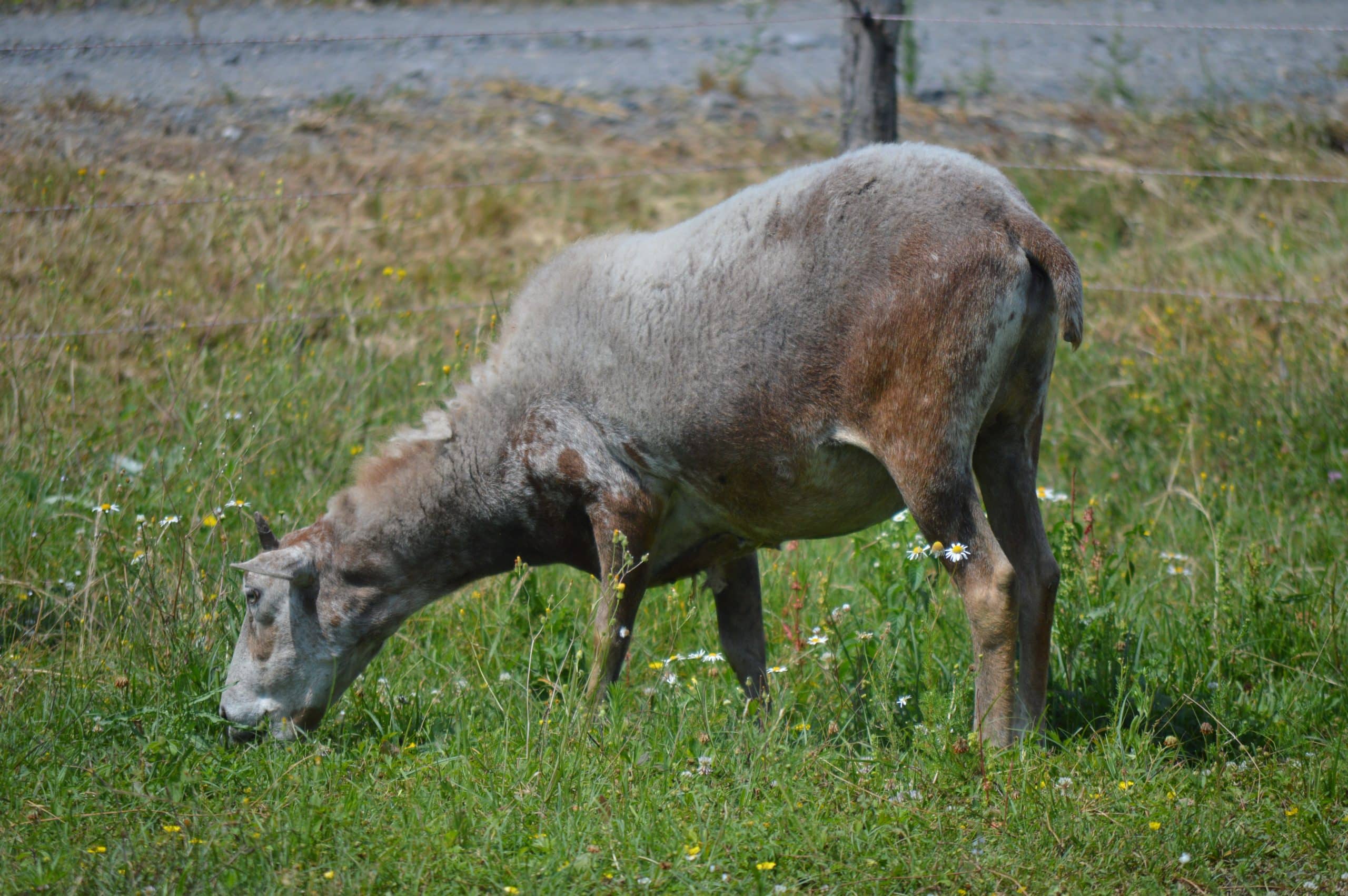
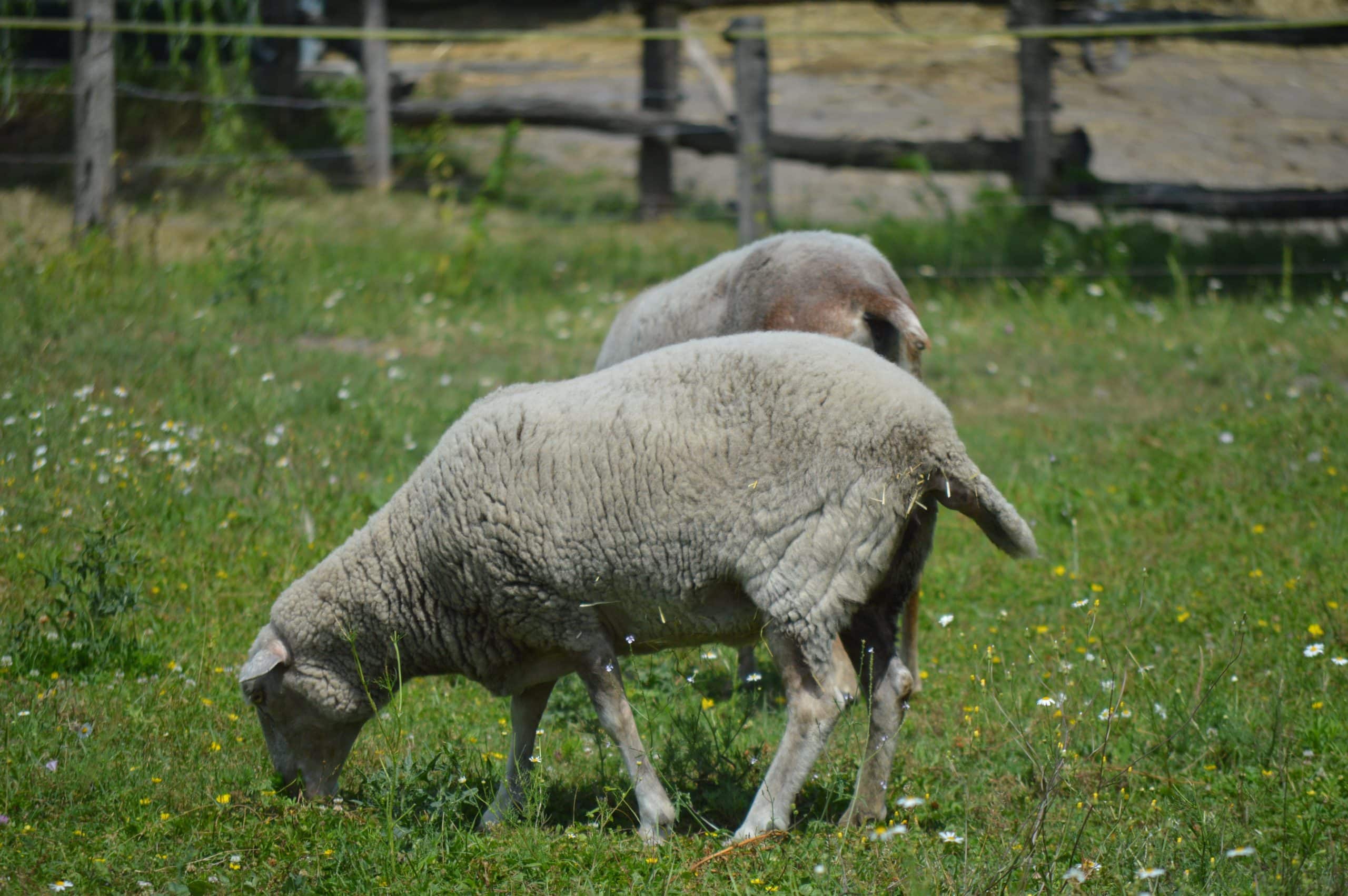

Thoroughbred geldings are versatile and provide milk, meat and wool. In Malkia Park, we do not use our Wallachian sheep for production for milk or meat, but we put the wool from their shearing into various enrichments for the animals, thus we try to support the natural behavior of carnivores. At the same time, these sheep of ours serve as an example of a typical farm animal of Slovak meadows and pastures, especially for children, for whom seeing such a large live sheep is no longer as common as it used to be. We try to provide the sheep with the best possible space and opportunities for the best possible life.
THANK YOU for the adoption contribution of Valaški sheep:
Marike Janovskej.
In the past, original geldings were bred with uneven coloring, often black and pigmented. Thoroughbred geldings are white.
Sheep are adaptable. In the original gelding, horniness is relatively common in both sexes.
It has the ability to adapt to the harsher conditions of the mountain and foothills of central and northern Slovakia.
Improved Wallachian sheep belong to our national breeds and are the most numerous breed of sheep in Slovakia. Only a small population of the original Wallachian sheep is bred in Slovakia, which is included in the gene reserves of endangered animal species.
It is not the kind of sheep that bows its head and eats everything around it – it first monitors the pasture and then begins to graze. When he has a digestive problem, he also consumes herbs that are normally poisonous. For example when it needs to get rid of parasites, it eats a fern.
In the twentieth century, the breed of the original wallah was crossed with other breeds with finer fur and higher utility. The breeding of the original gelding was so thorough that it was almost forgotten, and around 1980 it was said to be rarer than the Siberian tiger.
Wallachia has a three-sided utility – milk, meat and wool.
Domestic wallaby sheep
Ovis aries
Wallachians
Date of birth
Unknown
Order
Family
Distribution
BODY LENGTH
120-180 cm
HEIGHT
approx. 60 cm at the tap
Weight
original 35-55 kg
bred 45-70kg
LIFE EXPECTANCY
12-15 years
LENGTH OF PREGNANCY
150 days
NUMBER OF YOUTHS
1-2
Food
grasses, herbs
Valašky
Thoroughbred geldings are versatile and provide milk, meat and wool. In Malkia Park, we do not use our Wallachian sheep for production for milk or meat, but we put the wool from their shearing into various enrichments for the animals, thus we try to support the natural behavior of carnivores. At the same time, these sheep of ours serve as an example of a typical farm animal of Slovak meadows and pastures, especially for children, for whom seeing such a large live sheep is no longer as common as it used to be. We try to provide the sheep with the best possible space and opportunities for the best possible life.
THANK YOU for the adoption contribution of Valaški sheep:
Marike Janovskej.
In the past, original geldings were bred with uneven coloring, often black and pigmented. Thoroughbred geldings are white.
Sheep are adaptable. In the original gelding, horniness is relatively common in both sexes.
It has the ability to adapt to the harsher conditions of the mountain and foothills of central and northern Slovakia.
Improved Wallachian sheep belong to our national breeds and are the most numerous breed of sheep in Slovakia. Only a small population of the original Wallachian sheep is bred in Slovakia, which is included in the gene reserves of endangered animal species.
It is not the kind of sheep that bows its head and eats everything around it – it first monitors the pasture and then begins to graze. When he has a digestive problem, he also consumes herbs that are normally poisonous. For example when it needs to get rid of parasites, it eats a fern.
In the twentieth century, the breed of the original wallah was crossed with other breeds with finer fur and higher utility. The breeding of the original gelding was so thorough that it was almost forgotten, and around 1980 it was said to be rarer than the Siberian tiger.
Wallachia has a three-sided utility – milk, meat and wool.